
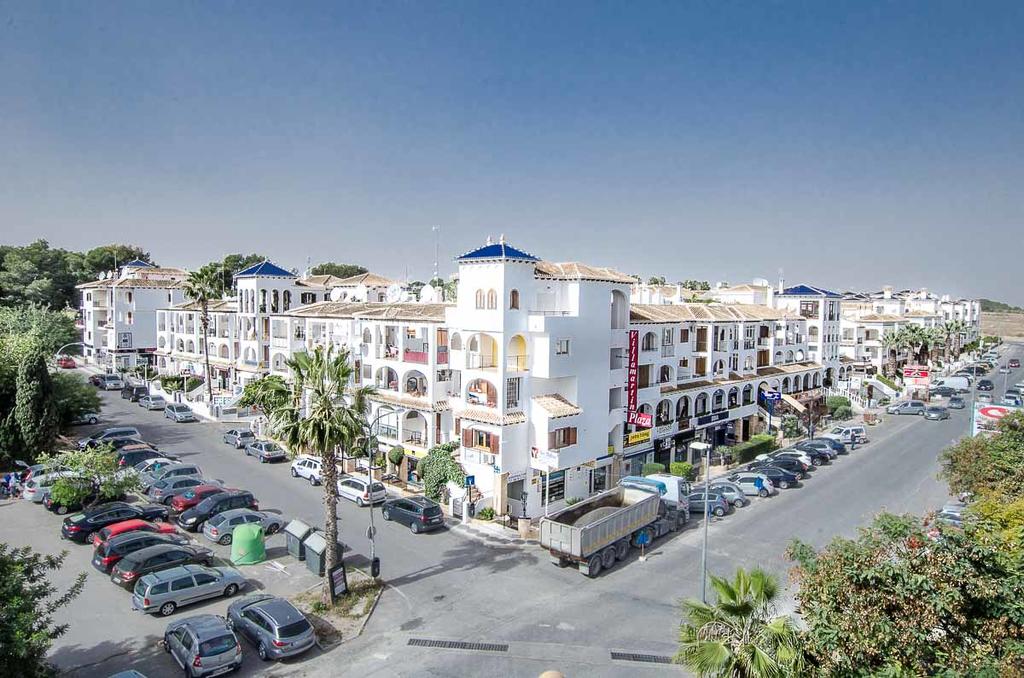
Inside a Dazzling Retreat Resort: Iconic Roof Design and Sustainable Luxury
A new generation of retreat resorts is redefining what luxury looks and feels like, and at the center of this shift is one bold architectural feature—the roof. More than a simple shelter, the roof of this dazzling retreat resort has been designed as a signature element that shapes the guest experience, improves energy efficiency, and creates unforgettable views. In this article, we explore how thoughtful roof design turns a beautiful resort into a true destination.
An Architectural Statement in the Skyline
The first impression of the resort begins long before guests step into the lobby. Its sweeping roofline, with clean modern geometry and subtle curves, becomes a recognizable silhouette against the horizon. The form is carefully sculpted to echo the surrounding hills and coastline, allowing the resort to stand out while still feeling rooted in its landscape.
This eye-catching profile is not only visually striking; it also serves as a powerful branding tool. A distinctive roof helps the resort stand apart in photos, marketing materials, and social media, reinforcing its identity as a one-of-a-kind retreat.
A Rooftop Retreat Above the Retreat
Instead of treating the roof as purely functional, the architects transformed it into an elevated sanctuary. Portions of the roof are accessible, forming rooftop terraces, lounges, and garden decks where guests can unwind high above the ground. Comfortable seating, fire features, and quiet corners create a series of outdoor rooms with panoramic views of the surrounding landscape.
From sunrise yoga sessions to stargazing at night, the rooftop retreat gives guests a reason to stay on property longer, turning otherwise unused square footage into one of the resort’s most valuable amenities.
Harnessing the Power of a Smart Roof
The roof also plays a key role in the resort’s performance and energy efficiency. Its shape and orientation are optimized to capture natural breezes, deflect harsh afternoon sun, and provide generous shade over glazing. Deep overhangs protect guest rooms and public spaces from heat gain, reducing the need for mechanical cooling.
High-performance roofing materials, reflective finishes, and carefully placed insulation work together to keep interiors cooler in summer and warmer in winter. The result is a more comfortable guest experience and significantly lower operating costs—an essential advantage for any modern hospitality project.
Green Roofs and Living Landscapes
In select areas, the roof becomes a living landscape. Green roof systems with drought-tolerant plants and native grasses soften the architecture and blend the buildings into their surroundings. These planted roof sections help manage stormwater, reduce urban heat island effects, and provide additional habitat for local birds and pollinators.
Guests may not always notice the technical details, but they feel the impact—cooler microclimates, lush views from upper floors, and a sense that the resort truly belongs to its environment rather than competing with it.
Solar Integration for Sustainable Luxury
Sustainability is woven directly into the roof design through discreet solar integration. Photovoltaic panels are installed on less visible roof planes, capturing abundant sunlight without disrupting the resort’s clean aesthetic. The energy generated helps power lighting, climate control, and back-of-house operations.
By producing a portion of its own electricity on-site, the resort reduces its carbon footprint and aligns with growing guest expectations for environmentally responsible travel. This combination of design, performance, and sustainability positions the property as a leader in eco-conscious luxury.
Bringing Natural Light Deeper Indoors
Strategically placed skylights and clerestory windows set into the roof deliver soft, natural light to interior corridors, spa areas, and lounges. These openings are carefully oriented to avoid glare and overheating while brightening spaces that would otherwise rely on artificial lighting.
The effect is subtle but powerful. Guests experience a sense of openness and connection to the sky, even when they are deep inside the building. Daylight-rich interiors feel calmer, more inviting, and more in tune with the rhythms of the day.
Weather Protection with Year-Round Comfort
A retreat resort must offer comfort in all seasons, and the roof is the primary line of defense. Durable roofing membranes, quality flashing details, and well-designed drainage systems ensure that heavy rain, wind, and temperature swings do not disrupt the guest experience.
Covered walkways, canopies, and extended roof edges allow guests to move between buildings without worrying about sun, rain, or sudden showers. Every structural decision is made with long-term performance in mind, reducing maintenance issues and protecting the resort’s investment.
Designing for Experience, Not Just Appearance
What makes the roof of this dazzling retreat resort truly remarkable is not just how it looks, but how it shapes the experience of staying there. It frames views, moderates climate, supports gardens, provides energy, and creates dynamic spaces for guests to relax and explore.
For travelers seeking meaningful escapes and for investors looking for long-lasting value, this type of roof-centered resort design offers the best of all worlds: bold architecture, operational efficiency, and a deep connection to place. In the future of luxury hospitality, the most memorable retreats may be defined as much by their roofs as by their rooms.